Understanding Flood Insurance in the USA
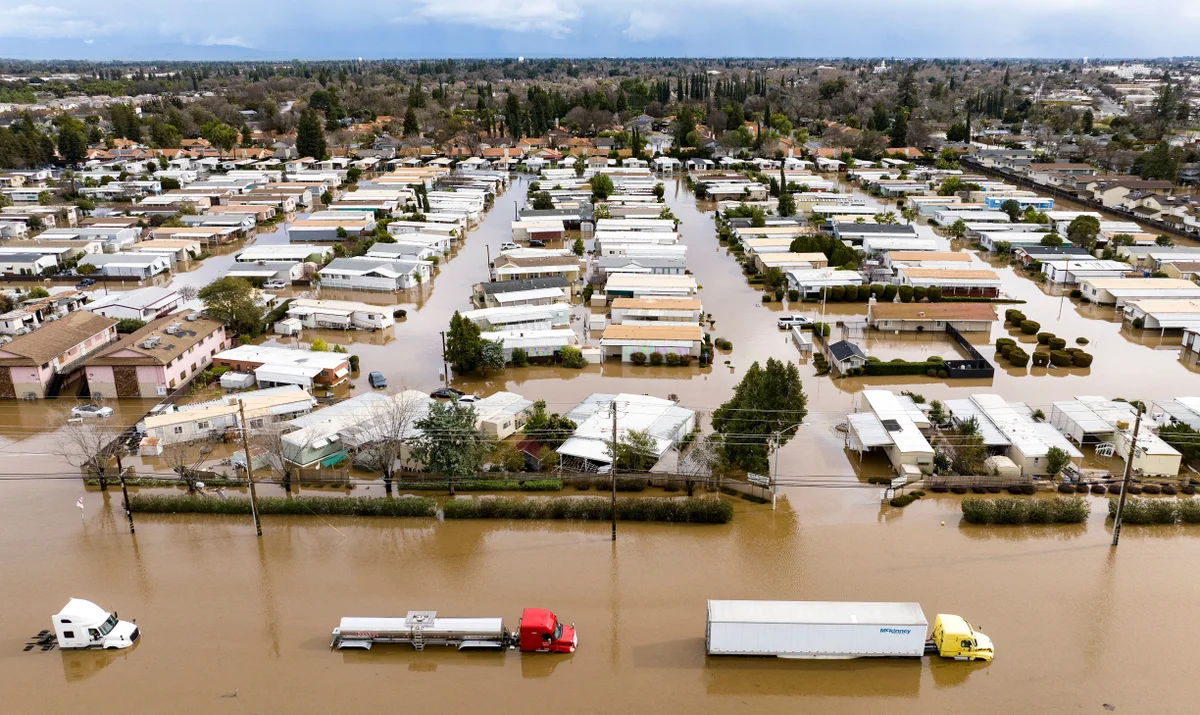
Flooding is one of the most common and costly natural disasters in the United States. Heavy rainfall, hurricanes, storm surges, and overflowing rivers can cause severe property damage within a short period. Many homeowners assume that their standard homeowners insurance policy covers flood-related damage, but this is often not the case. Understanding flood insurance is essential for protecting your home, belongings, and financial future.
What Is Flood Insurance?
Flood insurance is a specialized type of insurance designed to cover losses caused by flooding. It helps homeowners, renters, and business owners recover financially after flood damage. Coverage may include repairs to the building structure, electrical systems, plumbing, flooring, and personal belongings damaged by floodwaters.
Why Flood Insurance Is Important
Flood damage can be extremely expensive. Even a few inches of water inside a home can result in thousands of dollars in repair costs. Since standard homeowners insurance policies typically exclude flood damage, purchasing separate flood insurance can provide valuable financial protection.
Many people believe they only need flood insurance if they live in a high-risk area. However, floods can occur almost anywhere due to unexpected weather events, making flood coverage a wise consideration for many property owners.
What Does Flood Insurance Cover?
Flood insurance generally covers:
Building Coverage
- Foundation and structural repairs
- Electrical and plumbing systems
- Water heaters and HVAC systems
- Built-in appliances and cabinets
Contents Coverage
- Furniture
- Clothing
- Electronics
- Personal belongings
Coverage limits and exclusions vary depending on the policy and provider.
Factors Affecting Flood Insurance Costs
Several factors influence flood insurance premiums, including:
- Property location
- Flood risk level
- Elevation of the building
- Age and construction type of the property
- Coverage amount selected
Homes located in areas with a higher risk of flooding typically have higher insurance premiums.
Tips for Choosing Flood Insurance
Before purchasing a policy, compare coverage options, deductibles, exclusions, and premium costs. Review your property’s flood risk and determine how much protection is needed for both the building and personal belongings.
Conclusion
Flood insurance plays a critical role in protecting homeowners and renters from costly flood-related losses. As extreme weather events become more frequent, having adequate flood coverage can provide financial security and peace of mind. Understanding your flood risk and selecting the right insurance policy can help safeguard your property and reduce the financial impact of future flooding.