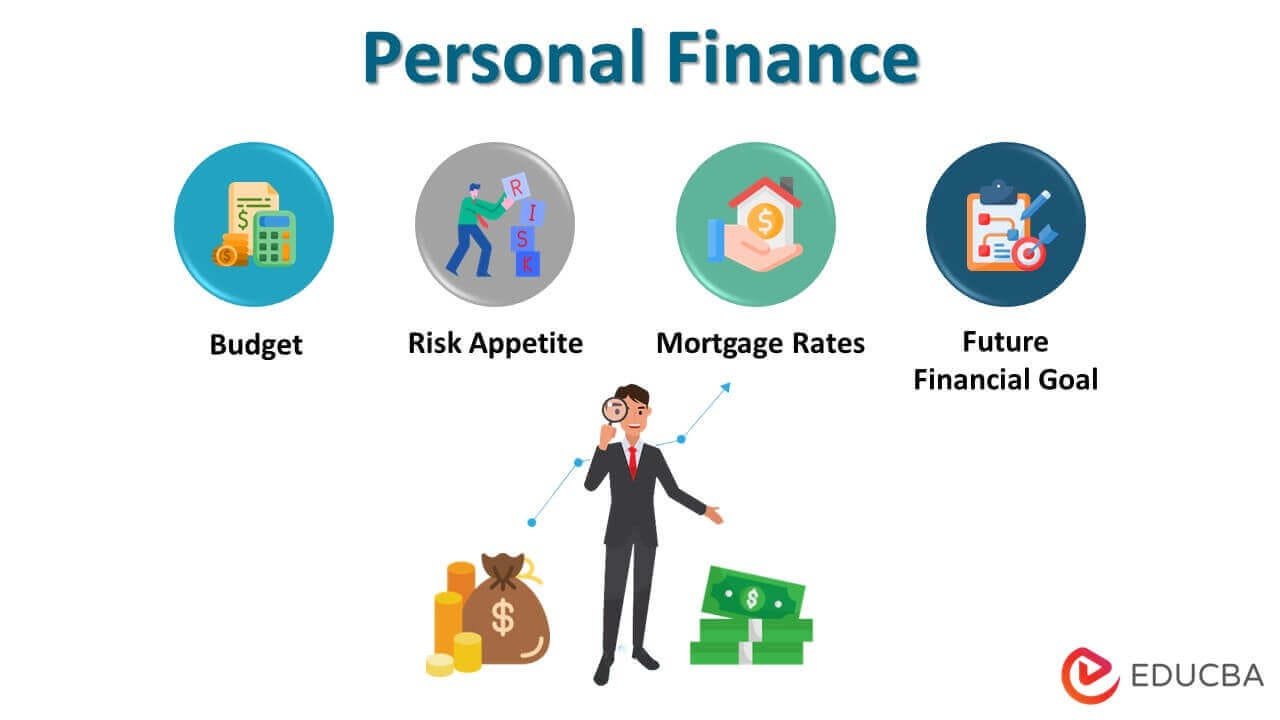
The Fundamentals of Personal Finance: Building a Secure Financial Future
Finance is the backbone of modern life. Whether you are an individual managing your monthly salary, a student planning for the future, or a business owner running a company, understanding finance is essential. It empowers you to make smarter decisions, avoid debt traps, and build lasting wealth. This article explores the core principles of personal finance and why mastering them can transform your life.
WHAT IS PERSONAL FINANCE?
Personal finance refers to the management of an individual’s or a family’s financial activities. This includes budgeting, saving, investing, insurance, and retirement planning. The goal of personal finance is to ensure that your income is used efficiently so that your present needs are met without compromising your future security.
Many people earn a decent income but still struggle financially. The reason is almost always poor financial management — spending more than they earn, not saving, or making uninformed investment decisions. Personal finance is the skill that bridges the gap between earning money and actually keeping it.
BUDGETING: THE FOUNDATION OF FINANCIAL HEALTH
A budget is simply a plan for your money. It tells your income where to go instead of wondering where it went. Without a budget, it is easy to overspend on unnecessary things and neglect important financial goals.
The most popular budgeting rule is the 50/30/20 rule:
- 50% of your income goes to needs (rent, food, utilities, transport)
- 30% goes to wants (entertainment, dining out, shopping)
- 20% goes to savings and debt repayment
Sticking to a budget requires discipline, but even small adjustments — cutting one unnecessary subscription, cooking at home more often — can free up significant money over time.
THE IMPORTANCE OF SAVING
Saving is the act of setting aside a portion of your income for future use. It protects you from unexpected emergencies like job loss, medical bills, or a broken appliance. Financial experts recommend building an emergency fund that covers at least three to six months of living expenses.
Beyond emergencies, saving allows you to reach bigger life goals — buying a house, starting a business, funding your children’s education, or retiring comfortably. Even saving a small amount consistently, thanks to the power of compound interest, can grow into a significant sum over time.
The key rule of saving: Pay yourself first. Before spending on anything else, put away a fixed amount into your savings account every month.
UNDERSTANDING DEBT
Debt is one of the biggest financial challenges people face today. Not all debt is bad — a mortgage on a home or a loan for education can be considered “good debt” because it builds long-term value. However, high-interest consumer debt, such as credit card balances or payday loans, can quickly spiral out of control.
To manage debt wisely:
- Always pay more than the minimum payment on credit cards.
- Avoid taking on new debt when you are still paying off existing loans.
- Use the “Debt Avalanche” method — pay off the highest-interest debt first to save money overall.
- If debt feels overwhelming, seek professional financial counseling.
Living debt-free or keeping debt minimal is one of the greatest financial freedoms a person can achieve.
INVESTING: MAKING YOUR MONEY WORK FOR YOU
Saving alone is not enough. Inflation slowly reduces the purchasing power of money sitting idle in a bank account. Investing allows your money to grow at a rate that beats inflation over time.
Common investment options include:
- Stocks: Ownership shares in companies. High risk, high reward over the long term.
- Bonds: Loans you give to governments or corporations in exchange for regular interest. Lower risk.
- Mutual Funds: Pooled investments managed by professionals. Good for beginners.
- Real Estate: Buying property for rental income or appreciation.
- Gold & Commodities: A hedge against inflation and economic instability.
The golden rule of investing is: Start early. The earlier you invest, the more time your money has to compound and grow. Even investing a small amount in your 20s can outperform a large investment made in your 40s.
INSURANCE: PROTECTING WHAT YOU HAVE BUILT
Many people overlook insurance, but it is a critical component of financial planning. Insurance protects you from catastrophic financial losses due to illness, accidents, disability, or death.
Key types of insurance to consider:
- Health Insurance: Covers medical expenses, which can be devastating without coverage.
- Life Insurance: Provides for your family in case of your untimely death.
- Property Insurance: Protects your home and assets from damage or theft.
- Vehicle Insurance: Required by law in most countries and essential for financial protection.
Think of insurance as a safety net. You hope you never need it, but when disaster strikes, it can mean the difference between recovery and financial ruin.
RETIREMENT PLANNING
It is never too early to plan for retirement. Many people make the mistake of thinking retirement is a distant concern, but the later you start planning, the harder it becomes to accumulate enough wealth to live comfortably without a salary.
Start by estimating how much money you will need in retirement. Consider your lifestyle, healthcare costs, and how many years you expect to be retired. Then calculate how much you need to save each month to reach that goal.
Take advantage of retirement savings schemes available in your country — pension funds, provident funds, or individual retirement accounts. Many employers also offer matching contributions, which is essentially free money you should never leave on the table.
FINANCIAL LITERACY: THE MOST VALUABLE EDUCATION
Despite its importance, finance is rarely taught in schools. Most people learn about money through trial and error, often making costly mistakes. This is why developing financial literacy — the understanding of financial concepts and how to apply them — is so valuable.
Read books on personal finance, follow credible financial news sources, and do not hesitate to consult a certified financial advisor for major decisions. Knowledge is the most powerful tool in building financial security.
CONCLUSION
Finance is not just a subject for economists or bankers. It is a life skill that every person needs. By budgeting wisely, saving consistently, managing debt responsibly, investing thoughtfully, protecting yourself with insurance, and planning for retirement, you can achieve true financial freedom.
The journey to financial stability does not require a high income — it requires the right habits, the right knowledge, and the discipline to stick to your plan. Start today. Your future self will thank you.