Corporate Profits and the Health of Americans: The Cost of a Financialized System
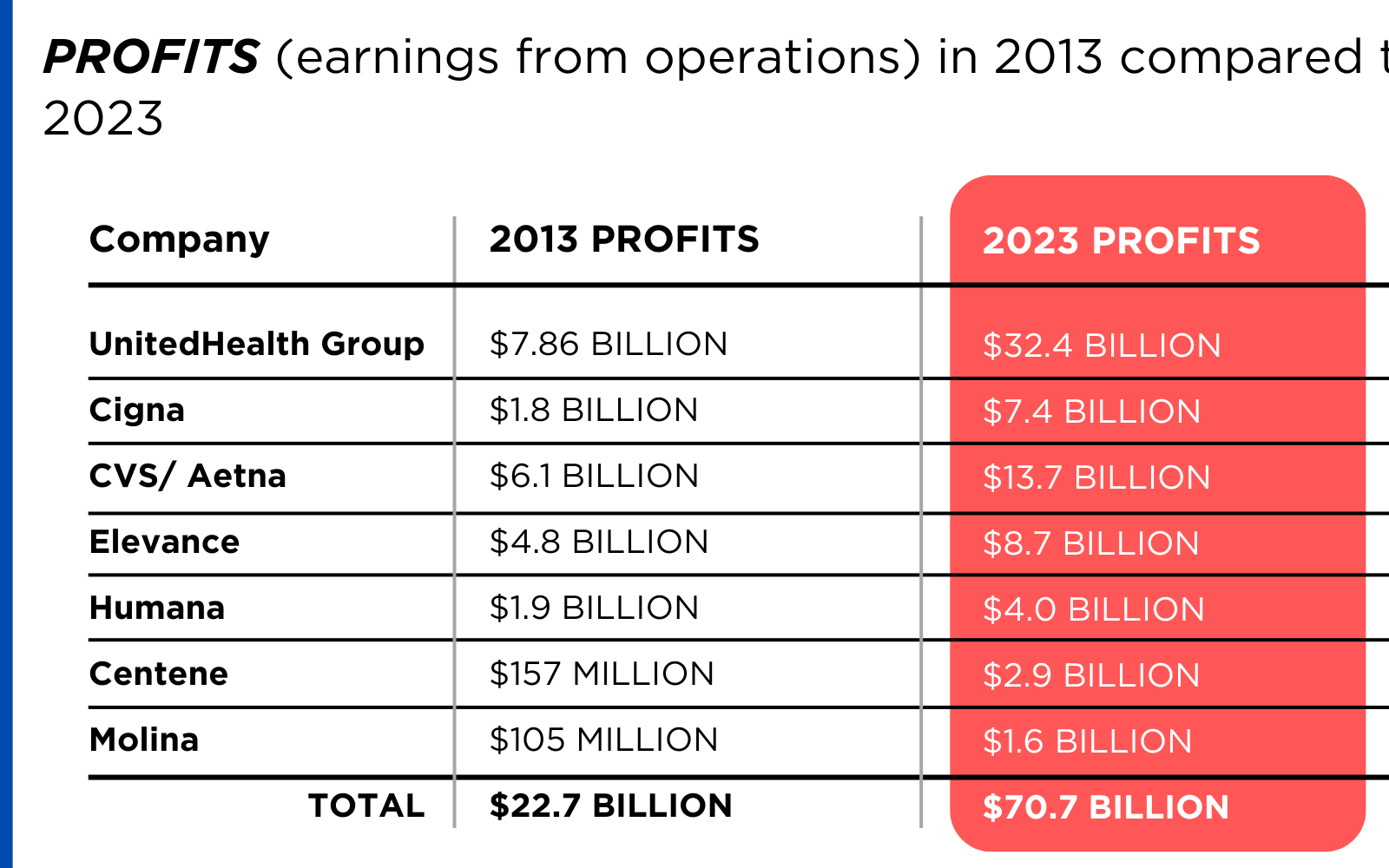
The American healthcare system is an global anomaly. While the United States spends roughly 17% to 18% of its Gross Domestic Product (GDP) on healthcare—far exceeding any other developed nation—its public health outcomes tell a different story. Life expectancy trails behind peers, while rates of chronic illness, maternal mortality, and medical debt remain staggeringly high. At the heart of this paradox lies a fundamental structural tension: the growing influence of corporate profits on the health of everyday Americans.
Over the last few decades, the U.S. healthcare system has undergone intense financialization. What was once primarily a network of community hospitals and localized insurers has evolved into a landscape dominated by massive, publicly traded conglomerates, private equity firms, and consolidated health insurance networks. In this environment, the primary fiduciary duty of corporate executives is to maximize shareholder value.
This profit-first model shapes every tier of patient care, driven by three major systemic pressures:
- Insurance Utilization Management: Insurance companies increasingly rely on rigorous “utilization reviews”—often assisted by automated algorithms—to manage costs. The practical result for patients is frequently delayed care, complex appeals, or outright denials for therapies, drugs, and procedures prescribed by their doctors.
- Private Equity and Consolidation: Private equity investment in healthcare providers, ranging from emergency rooms to dental clinics, has surged. Studies indicate that these acquisitions often prioritize short-term revenue growth, frequently leading to higher prices for consumers, reduced staffing levels, and increased surprise billing.
- Pharmaceutical Pricing Power: The U.S. remains one of the few developed countries that does not directly regulate the launch prices of new pharmaceuticals. While recent legislative efforts like the Inflation Reduction Act have introduced Medicare drug price negotiations, commercial insurance markets still bear the brunt of skyrocketing specialty drug costs.
The human toll of this economic structure is measured in medical debt, skipped prescriptions, and systemic health inequities. When corporate profitability is the primary metric of success, rural hospitals face closures because they lack the volume to generate high profit margins, leaving vulnerable populations stranded in medical deserts.
Balancing corporate interests with public health demands an ongoing regulatory shift. While private enterprise can drive medical innovation and technological breakthroughs, unmitigated profit maximization without strict oversight inevitably shifts the financial burden onto the patient. For the health of Americans to truly improve, public health outcomes must become as central to the system’s success as quarterly earnings reports.