The Role of Technology in Modern American Healthcare
Introduction
Technology has become a driving force behind the transformation of healthcare in the United States. Over the past decade, advancements in digital tools, artificial intelligence, telemedicine, wearable devices, and electronic health records have significantly improved the quality and accessibility of medical care. In 2026, technology continues to reshape the American healthcare system by helping healthcare providers deliver more accurate diagnoses, improve patient outcomes, and streamline administrative processes.
As healthcare demands increase and medical costs continue to rise, technology is playing a critical role in making healthcare services more efficient, accessible, and patient-centered. From remote consultations to AI-powered diagnostics, innovation is helping healthcare organizations address modern challenges while improving overall patient care.
The Digital Transformation of Healthcare
The healthcare industry has undergone a major digital transformation in recent years. Traditional paper-based systems have largely been replaced by electronic health records (EHRs), cloud-based platforms, and digital communication tools.
Healthcare providers can now access patient information instantly, reducing delays and minimizing medical errors. Digital systems also improve coordination among doctors, specialists, hospitals, and insurance providers, ensuring patients receive more comprehensive care.
This digital transformation has enhanced efficiency across the healthcare sector and created opportunities for further innovation.
Telemedicine and Virtual Healthcare
One of the most significant technological advancements in American healthcare is telemedicine. Telemedicine allows patients to consult healthcare professionals remotely using video calls, mobile applications, and online platforms.
Virtual healthcare services have become increasingly popular because they provide convenient access to medical care without requiring patients to travel to healthcare facilities. This is particularly beneficial for individuals living in rural areas or those with mobility challenges.
Telemedicine helps reduce waiting times, lower healthcare costs, and improve access to specialists. It also allows healthcare providers to monitor patients more effectively and offer timely medical advice.
Artificial Intelligence in Healthcare
Artificial intelligence (AI) is transforming healthcare by improving diagnostic accuracy, treatment planning, and operational efficiency. AI systems can analyze large volumes of medical data, identify patterns, and assist healthcare professionals in making informed decisions.
For example, AI-powered imaging tools can help detect diseases such as cancer, heart conditions, and neurological disorders at earlier stages. Early detection often leads to better treatment outcomes and increased survival rates.
AI is also being used to predict patient risks, personalize treatment plans, and automate administrative tasks. These capabilities help healthcare organizations improve efficiency while allowing medical professionals to focus more on patient care.
Electronic Health Records (EHRs)
Electronic Health Records have become a cornerstone of modern healthcare in the United States. EHR systems provide secure digital storage for patient information, including medical history, prescriptions, laboratory results, and treatment plans.
Healthcare providers can quickly access accurate patient data, reducing the risk of duplicate tests and medical errors. EHRs also improve communication between different healthcare facilities, ensuring continuity of care.
Patients benefit from better coordination among healthcare providers and more efficient management of their medical information. As healthcare becomes increasingly data-driven, EHR systems continue to play a vital role in improving patient outcomes.
Wearable Health Technology
Wearable health devices have gained widespread popularity among American consumers. Smartwatches, fitness trackers, and health-monitoring devices enable individuals to track important health metrics such as heart rate, blood pressure, sleep patterns, and physical activity levels.
These devices provide real-time health insights and encourage proactive health management. Healthcare providers can use data collected from wearables to monitor patients remotely and detect potential health issues before they become serious.
For individuals managing chronic conditions such as diabetes or heart disease, wearable technology offers valuable support in maintaining their health and following treatment plans.
Robotics in Medical Procedures
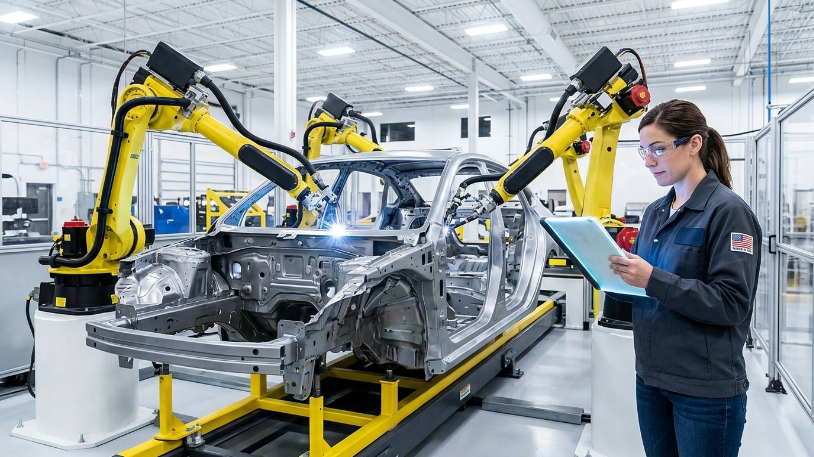
Robotic technology is revolutionizing surgical procedures and patient care. Robotic-assisted surgery allows surgeons to perform complex operations with greater precision, flexibility, and control.
These systems often result in smaller incisions, reduced pain, faster recovery times, and lower risks of complications. Hospitals across the United States are increasingly adopting robotic surgical systems to improve patient outcomes and enhance surgical accuracy.
In addition to surgery, robots are being used for patient assistance, medication delivery, and hospital sanitation, helping healthcare facilities operate more efficiently.
Big Data and Predictive Analytics
The healthcare industry generates enormous amounts of data every day. Big data analytics enables healthcare organizations to analyze this information and gain valuable insights into patient health trends, treatment effectiveness, and disease outbreaks.
Predictive analytics can help identify patients at risk of developing certain conditions, allowing healthcare providers to intervene earlier. Hospitals also use data analytics to improve resource allocation, reduce costs, and optimize patient care.
By leveraging data-driven decision-making, healthcare organizations can deliver more personalized and effective treatments.
Improving Healthcare Accessibility
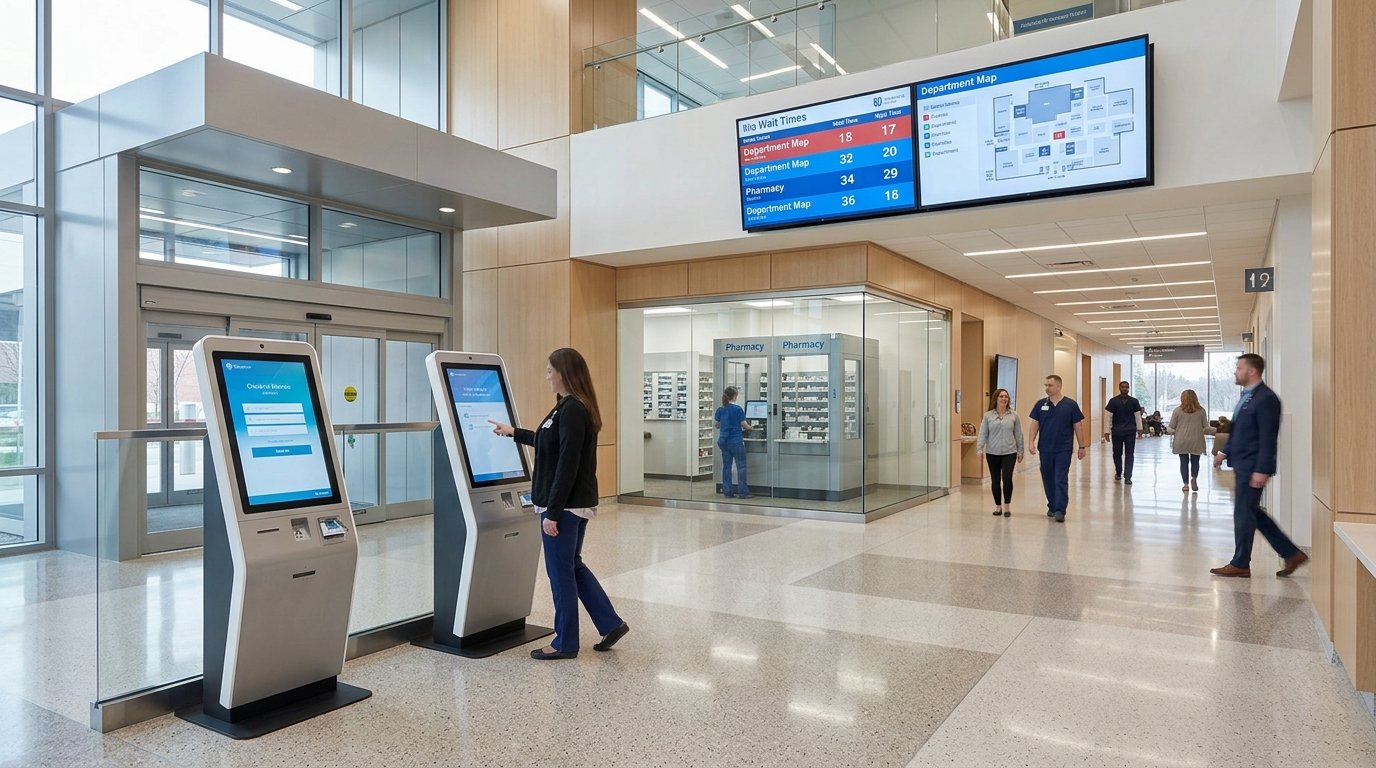
Technology is helping make healthcare more accessible to millions of Americans. Mobile health applications allow patients to schedule appointments, access medical records, refill prescriptions, and communicate with healthcare providers from their smartphones.
Remote monitoring technologies enable healthcare professionals to track patient health without requiring frequent office visits. This is especially beneficial for elderly individuals and patients with chronic illnesses.
These innovations help bridge gaps in healthcare access and ensure that more people receive timely medical attention regardless of their location.
Enhancing Cybersecurity in Healthcare
As healthcare systems become increasingly digital, protecting patient data has become a top priority. Healthcare organizations store vast amounts of sensitive information that must be safeguarded against cyber threats and data breaches.
Advanced cybersecurity technologies help protect electronic health records, medical devices, and healthcare networks from unauthorized access. Encryption, multi-factor authentication, and threat detection systems play a crucial role in maintaining data security.
Strong cybersecurity measures are essential for preserving patient trust and ensuring compliance with healthcare regulations.
Challenges of Healthcare Technology
Despite its many advantages, healthcare technology also presents challenges. Implementing advanced systems often requires significant financial investment and staff training. Smaller healthcare providers may struggle to adopt new technologies due to budget constraints.
Data privacy concerns, cybersecurity risks, and system integration issues can also create obstacles. Additionally, some patients may face difficulties using digital healthcare tools due to limited technological knowledge or internet access.
Healthcare organizations must address these challenges to maximize the benefits of technological innovation.
The Future of Technology in American Healthcare
The future of healthcare technology in America is filled with exciting possibilities. Advances in artificial intelligence, machine learning, genomics, and personalized medicine are expected to further improve healthcare outcomes.
Emerging technologies such as virtual reality, augmented reality, and advanced robotics may revolutionize medical training, patient treatment, and rehabilitation. Improved connectivity through 5G networks will enhance telemedicine services and support real-time healthcare monitoring.
As innovation continues, technology will play an increasingly important role in creating a more efficient, accessible, and patient-focused healthcare system.
Conclusion
Technology has become an essential component of modern American healthcare. From telemedicine and artificial intelligence to wearable devices and electronic health records, technological advancements are improving patient care, increasing efficiency, and expanding access to medical services.
While challenges such as cybersecurity risks and implementation costs remain, the benefits of healthcare technology far outweigh the obstacles. As innovation continues to accelerate, technology will remain a key driver in shaping the future of healthcare in the United States, helping providers deliver better outcomes and improving the quality of life for millions of Americans.