The Importance of Mental Wellness for American Workers
Mental wellness has become a critical topic in today’s workplace. As job demands increase and work-life boundaries become less clear, many American workers face stress, anxiety, and burnout. Maintaining good mental health is essential not only for personal well-being but also for productivity, job satisfaction, and long-term career success.
Why Mental Wellness Matters
Mental wellness refers to a person’s emotional, psychological, and social well-being. It affects how people think, feel, and handle daily challenges. Employees with strong mental health are generally more focused, motivated, and capable of managing workplace pressures effectively.
Poor mental health can lead to decreased productivity, absenteeism, and higher healthcare costs. It can also affect workplace relationships and overall job performance. For employers, investing in employee mental wellness can result in a healthier, more engaged workforce.
Common Mental Health Challenges in the Workplace
Many American workers experience challenges such as stress, anxiety, depression, and burnout. Long working hours, tight deadlines, financial concerns, and job insecurity can contribute to these issues. Remote and hybrid work environments, while offering flexibility, can sometimes increase feelings of isolation and disconnection.
Benefits of Supporting Mental Wellness
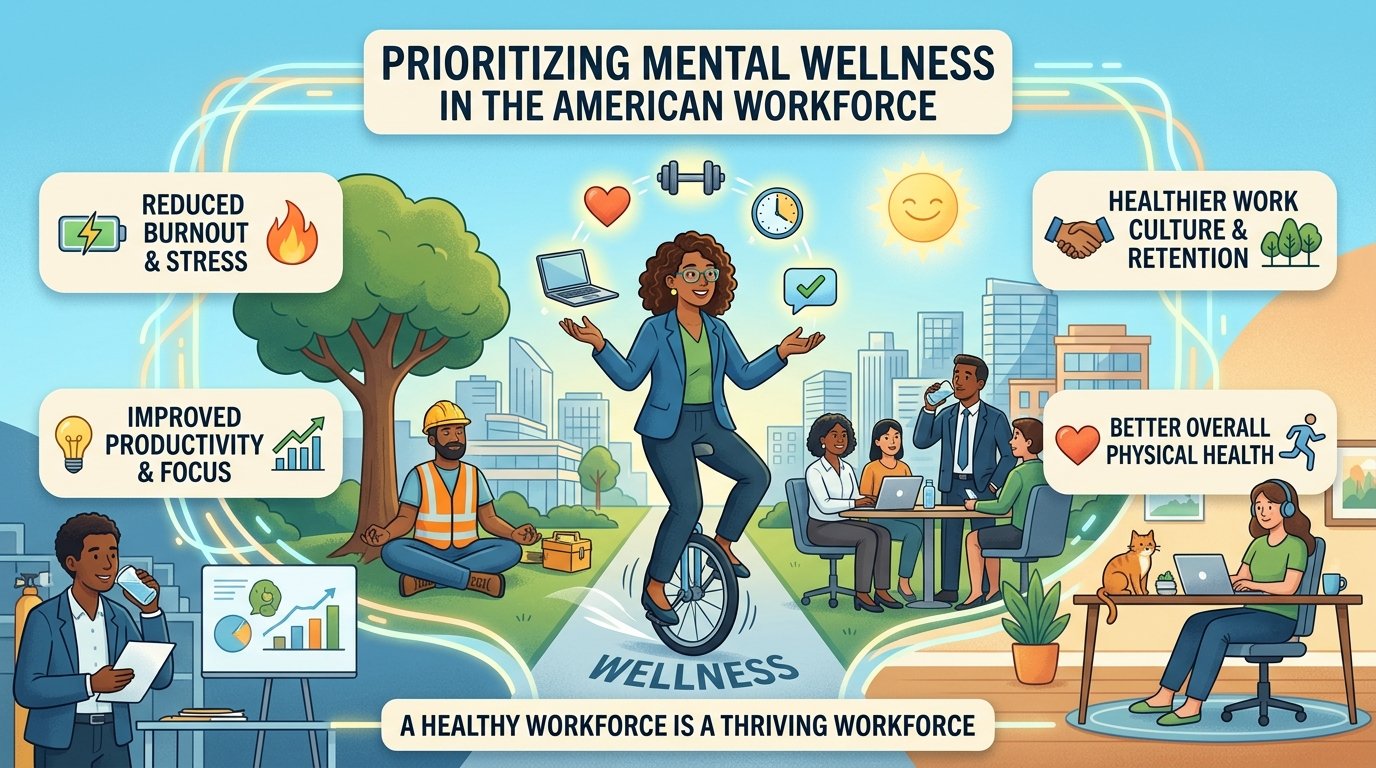
Organizations that prioritize mental wellness often experience improved employee morale, higher retention rates, and better workplace culture. Workers who feel supported are more likely to remain productive and committed to their jobs.
Mental wellness programs may include counseling services, employee assistance programs, stress management workshops, flexible work schedules, and wellness initiatives. These resources help employees manage challenges and maintain a healthy work-life balance.
Tips for Improving Mental Wellness
Workers can take several steps to support their mental health, including regular exercise, healthy eating, sufficient sleep, and taking breaks during the workday. Practicing mindfulness, setting realistic goals, and seeking professional help when needed can also make a significant difference.
Open communication with managers and colleagues can create a supportive environment where employees feel comfortable discussing challenges and seeking assistance.
Conclusion
Mental wellness is a vital component of a successful and productive workforce in the United States. By prioritizing mental health, both employees and employers can create healthier workplaces, improve job satisfaction, and achieve better overall outcomes. As awareness continues to grow, investing in mental wellness will remain essential for the future of work in America.