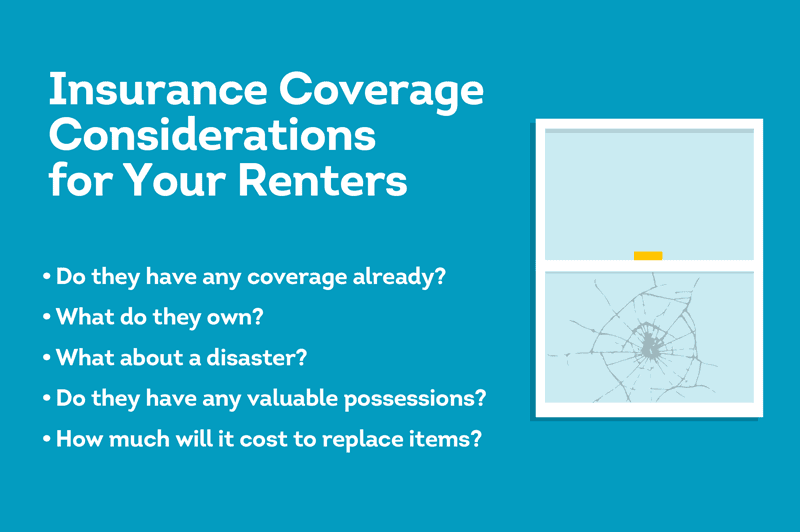
how to choose renters insurance policy
Introduction
Renting a home or apartment is a common lifestyle choice for millions of people. While tenants often assume that their landlord’s insurance policy will protect them, this is a major misconception. A landlord’s insurance typically covers only the building structure—not your personal belongings or liability.
This is where renters insurance becomes essential. Renters insurance provides financial protection for tenants against unexpected events such as theft, fire, water damage, and liability claims. It is an affordable yet powerful tool that ensures peace of mind and financial security.
In this comprehensive guide, we will explore why renters insurance is important, what it covers, how it works, and why every tenant should consider having it.
What Is Renters Insurance?
Renters insurance is a type of insurance policy designed specifically for people who rent their living space. It protects tenants from financial losses related to their personal property and liability.
Unlike homeowners insurance, renters insurance does not cover the building itself. Instead, it focuses on:
Personal belongings
Liability protection
Additional living expenses
Why Renters Insurance Is Important
- Protection for Personal Belongings
One of the biggest advantages of renters insurance is coverage for your personal items.
What Is Covered?
Furniture
Electronics
Clothing
Appliances
Jewelry (limited coverage)
If your belongings are damaged or stolen due to covered events like fire or theft, renters insurance helps you replace them.
- Liability Coverage
Accidents can happen at any time. If someone is injured in your rented home, you may be held legally responsible.
Liability Coverage Includes:
Medical expenses for injured guests
Legal fees if you are sued
Property damage caused to others
This protection can save you from significant financial losses.
- Additional Living Expenses (ALE)
If your rental becomes uninhabitable due to a covered event, renters insurance can cover temporary living costs.
Examples:
Hotel stays
Food expenses
Temporary rentals
This ensures you have a place to stay while your home is being repaired.
- Affordable Coverage
Renters insurance is surprisingly affordable compared to other types of insurance.
Low monthly premiums
High value for protection
Flexible coverage options
For a small investment, you gain substantial financial security.
- Peace of Mind
Knowing that your belongings and finances are protected allows you to live stress-free. Renters insurance ensures that unexpected events do not disrupt your life.
What Does Renters Insurance Cover?
Understanding what is covered helps you choose the right policy.
Covered Perils
Most renters insurance policies cover:
Fire and smoke damage
Theft and vandalism
Water damage (excluding floods)
Windstorms and hail
Electrical surges
Personal Property Coverage
This covers the cost of repairing or replacing your belongings.
Replacement Cost vs Actual Cash Value
Replacement Cost: Pays for new items
Actual Cash Value: Pays depreciated value
Choosing replacement cost coverage provides better protection.
Liability Protection
Covers legal and medical costs if you are responsible for injuries or damages.
Additional Living Expenses
Helps cover temporary housing and related costs.
What Renters Insurance Does Not Cover
It is equally important to understand exclusions.
Common Exclusions
Flood damage (requires separate policy)
Earthquakes
Pest infestations
Intentional damage
High-value items beyond limits
You may need additional coverage or riders for certain risks.
How Renters Insurance Works
Renters insurance operates on a simple principle:
You pay a monthly or annual premium
If a covered event occurs, you file a claim
The insurance company compensates you based on your policy
How Much Renters Insurance Do You Need?
Choosing the right coverage amount is crucial.
- Calculate the Value of Your Belongings
Make a list of your possessions and estimate their value.
- Consider Liability Coverage
Most policies offer $100,000 in liability coverage, but higher limits may be beneficial.
- Evaluate Your Risk Level
Consider factors such as location, crime rates, and natural disasters.
Tips for Choosing the Right Renters Insurance
- Compare Multiple Policies
Do not settle for the first option. Compare coverage, premiums, and benefits.
- Understand Policy Terms
Read the fine print to know what is included and excluded.
- Choose Adequate Coverage
Avoid underinsuring your belongings.
- Look for Discounts
Many insurers offer discounts for:
Bundling policies
Installing safety devices
Maintaining a good credit score
- Check the Insurance Company’s Reputation
Look for customer reviews and claim settlement records.
Common Myths About Renters Insurance
Myth 1: Landlord Insurance Covers Tenants
Reality: It only covers the building, not your belongings.
Myth 2: Renters Insurance Is Expensive
Reality: It is one of the most affordable types of insurance.
Myth 3: I Don’t Own Enough to Need Insurance
Reality: Even basic belongings can be costly to replace.
Myth 4: Claims Are Difficult to File
Reality: Most insurers offer simple online claim processes.
Benefits of Renters Insurance
Financial Protection
Covers unexpected losses and prevents financial strain.
Legal Protection
Provides liability coverage in case of lawsuits.
Flexibility
Policies can be customized to fit your needs.
Easy to Purchase
Available online with quick approval.
The Role of Renters Insurance in Financial Planning
Renters insurance is an essential part of a solid financial plan.
Protects Your Savings
Without insurance, you may have to pay out of pocket for damages or losses.
Supports Long-Term Goals
Prevents unexpected expenses from disrupting your financial plans.
Enhances Financial Stability
Provides a safety net during emergencies.
Future Trends in Renters Insurance
The insurance industry is evolving with technology.
Emerging Trends
Digital policy management
AI-based risk assessment
Customized coverage options
Usage-based insurance
These innovations are making renters insurance more accessible and efficient.
Conclusion
Renters insurance is a vital yet often overlooked aspect of financial security for tenants. It provides protection for personal belongings, liability coverage, and support during emergencies. Despite its affordability, many renters still underestimate its importance.
By investing in renters insurance, you safeguard your finances, reduce risks, and gain peace of mind. Whether you are renting an apartment, house, or shared space, having renters insurance ensures that you are prepared for the unexpected.