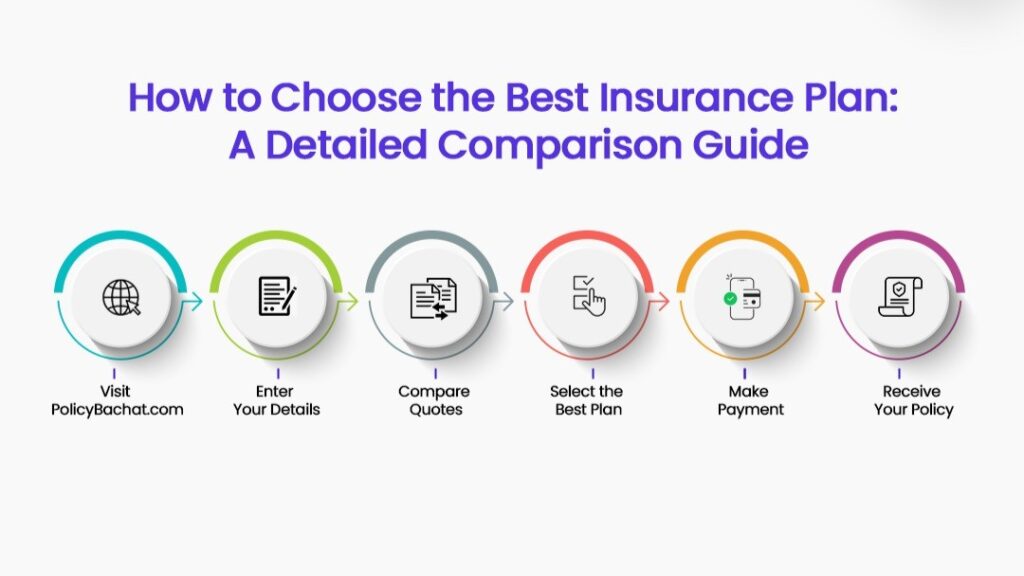
how to choose the best insurance policy for your needs
Introduction
Choosing the right insurance policy can feel overwhelming, especially with so many providers, plans, and terms to consider. Whether you are looking for health, life, auto, or home insurance, making the wrong decision can cost you money and leave you underprotected when you need coverage the most.
Insurance is a critical part of financial planning because it protects your income, assets, and loved ones from unexpected risks. However, not all insurance policies are the same. Understanding how to compare them effectively ensures that you get the best value for your money while meeting your specific needs.
This comprehensive guide will walk you through everything you need to know about comparing insurance policies and choosing the right one.
Why Comparing Insurance Policies Is Important
Before purchasing any insurance, it is essential to compare multiple options. Many people make the mistake of choosing the first policy they find or selecting the cheapest option without evaluating coverage.
Benefits of Comparing Policies
Helps you find better coverage at a lower cost
Ensures you understand policy terms and conditions
Allows you to identify hidden fees or exclusions
Helps you select a policy that aligns with your financial goals
Types of Insurance Policies You May Need
Before comparing policies, you should understand the different types of insurance available.
Health Insurance
Covers medical expenses such as hospital stays, surgeries, and medications.
Life Insurance
Provides financial support to your family in case of your death.
Auto Insurance
Protects against vehicle damage, accidents, and liability claims.
Home Insurance
Covers damages to your home and personal property.
Disability Insurance
Provides income replacement if you are unable to work due to illness or injury.
Key Factors to Consider When Comparing Insurance Policies
Choosing the right insurance policy requires careful evaluation of several important factors.
- Coverage Options
Coverage is the most important factor when comparing insurance policies.
What to Look For
Types of risks covered
Coverage limits
Additional benefits or riders
A policy with lower premiums but limited coverage may not be beneficial in the long run.
- Premium Costs
The premium is the amount you pay for your insurance policy.
Tips for Evaluating Premiums
Compare premiums across multiple providers
Check if premiums are fixed or adjustable
Ensure affordability without compromising coverage
- Deductibles
A deductible is the amount you pay out of pocket before the insurance company covers the rest.
Key Points
Higher deductibles usually mean lower premiums
Lower deductibles increase your premium but reduce out-of-pocket costs
Choose a deductible that fits your financial situation.
- Policy Exclusions
Exclusions are situations or conditions that are not covered by the policy.
Why Exclusions Matter
They determine what you will not be compensated for
Hidden exclusions can lead to unexpected expenses
Always read the fine print carefully.
- Claim Process
A smooth and fast claim process is crucial during emergencies.
What to Check
Claim settlement ratio
Average claim processing time
Online claim options
- Insurance Company Reputation
The reliability of the insurance provider is just as important as the policy itself.
How to Evaluate
Customer reviews
Financial stability
Customer service quality
- Policy Flexibility
Some policies allow customization based on your needs.
Examples
Add-on covers
Riders for life insurance
Flexible payment options
- Network and Accessibility
For health and auto insurance, the network of hospitals or service providers matters.
Consider
Number of network hospitals
Cashless treatment options
Availability in your area
Step-by-Step Guide to Comparing Insurance Policies
Step 1: Identify Your Needs
Start by understanding what type of coverage you need.
Questions to Ask Yourself
What risks do I want to cover?
What is my budget?
Do I have dependents?
Step 2: Research Multiple Providers
Never settle for the first option you find.
Where to Research
Insurance company websites
Comparison platforms
Financial advisors
Step 3: Shortlist Policies
Select a few policies that meet your basic requirements.
Step 4: Compare Key Features
Create a comparison table to evaluate policies side by side.
Feature Policy A Policy B Policy C
Premium
Coverage
Deductible
Claim Process
Exclusions
Step 5: Read Policy Documents Carefully
Do not skip the fine print. Understanding terms and conditions helps avoid surprises later.
Step 6: Check Reviews and Ratings
Look for real customer experiences to understand the strengths and weaknesses of each policy.
Step 7: Consult an Expert
If you are unsure, consult a financial advisor or insurance agent for guidance.
Common Mistakes to Avoid
Choosing Based on Price Alone
Low-cost policies often provide limited coverage.
Ignoring Policy Terms
Not reading the fine print can lead to misunderstandings during claims.
Underestimating Coverage Needs
Choosing insufficient coverage can result in financial loss.
Not Comparing Enough Options
Limiting your research can prevent you from finding better deals.
Delaying Insurance Purchase
Waiting too long can increase premiums and risk exposure.
Tips for Choosing the Right Insurance Policy
- Balance Cost and Coverage
Do not compromise essential coverage for lower premiums.
- Prioritize Your Needs
Focus on policies that address your most important risks.
- Look for Discounts
Many insurers offer discounts for bundling policies or maintaining a good record.
- Review Regularly
Update your insurance policies as your life circumstances change.
- Choose Trusted Providers
Select companies with strong reputations and reliable customer service.
The Role of Technology in Comparing Insurance
Technology has made it easier than ever to compare insurance policies.
Benefits of Online Comparison Tools
Quick access to multiple policies
Easy comparison of features and prices
Transparent information
Many platforms also provide calculators to estimate premiums and coverage needs.
Conclusion
Comparing insurance policies is a crucial step in choosing the right coverage for your needs. It requires careful evaluation of coverage, premiums, deductibles, exclusions, and the reputation of the insurance provider.
By taking the time to research and compare multiple options, you can make informed decisions that protect your financial future. Remember, the goal is not just to find the cheapest policy but to choose one that provides the best value and comprehensive protection.