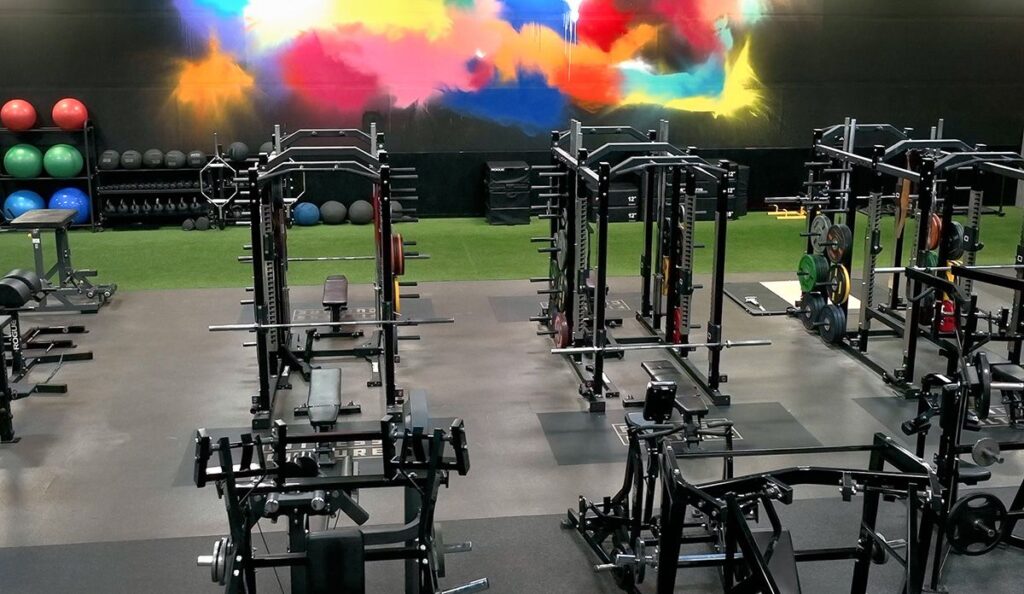
Fitness Culture in the USA: Evolution, Trends, and the Future of Health and Wellness
The fitness culture in the United States has undergone a significant transformation over the past few decades, emerging as a central part of daily life for millions of Americans. From the rise of gym memberships to the explosion of wellness trends and fitness influencers, the desire to live healthier, more active lifestyles has become an integral part of American society. This shift is not only visible in the explosion of fitness-related businesses and trends but also in how Americans view their physical and mental health.
we will explore the evolution of fitness culture in the USA, the trends shaping the fitness landscape today, and the future of health and wellness in the country.
The Evolution of Fitness Culture in the USA
Pre-Modern Fitness: Physical Labor and Military Influence
Before the 20th century, physical fitness in the U.S. was largely linked to necessity rather than recreation. For many Americans, physical activity was a byproduct of daily life. People engaged in physical labor on farms or in factories, and manual work played a significant role in maintaining physical health. The U.S. military also contributed to fitness culture by prioritizing physical training for soldiers, which was essential for performance in wartime.
In the late 19th and early 20th centuries, however, fitness began to take on a more recreational aspect. The emergence of competitive sports, such as baseball, boxing, and later basketball and football, inspired many Americans to participate in athletic activities outside of work.
The Birth of Modern Fitness Culture: The 20th Century
The modern fitness culture in the United States began to take shape in the mid-20th century. One of the most influential figures during this time was Jack LaLanne, often referred to as the “Godfather of Fitness.” LaLanne, who began promoting physical fitness on TV in the 1950s, emphasized strength training, healthy eating, and regular exercise. He also founded one of the first health clubs in the country, establishing a blueprint for the gym culture that would later dominate American life.
The 1960s and 1970s marked a period of increased interest in physical fitness, thanks to figures like Arnold Schwarzenegger and Jane Fonda, whose workout videos became popular across the nation. This period saw the rise of the modern gym, as well as an increased focus on bodybuilding and aerobic exercise. Health clubs and fitness centers began to flourish, offering Americans spaces to engage in physical fitness outside of their homes.
The 1980s and 1990s: Fitness Goes Mainstream
In the 1980s and 1990s, fitness became mainstream, fueled by the explosion of aerobic exercise classes, the popularity of home fitness videos, and the establishment of chains like Gold’s Gym and Bally Total Fitness. The fitness boom also brought with it an emphasis on body image, as individuals sought to achieve a lean, muscular physique. The 1980s also saw the introduction of various fitness fads, including step aerobics and jazzercise, which became a central part of American culture.
This period also marked the beginning of a shift toward health-conscious living. Alongside fitness, Americans became more interested in nutrition, with low-fat and low-carb diets dominating the conversation. The connection between fitness and mental well-being began to gain attention as well, setting the stage for the more holistic approach to health that would emerge in the 21st century.
Trends Shaping Modern Fitness Culture in the USA
The 21st century has seen fitness culture in the U.S. evolve in new directions, driven by technological advancements, changing societal attitudes, and emerging trends. Below are some of the most significant trends shaping fitness culture today.
- The Rise of Boutique Fitness Studios
One of the most significant trends in recent years has been the growth of boutique fitness studios. These specialized gyms focus on a particular type of exercise, such as cycling, yoga, Pilates, boxing, or high-intensity interval training (HIIT). Companies like SoulCycle, Barry’s Bootcamp, and Orangetheory Fitness have become household names, offering curated fitness experiences that cater to specific interests.
Boutique fitness studios have gained popularity due to their sense of community, personalized attention, and unique workout formats. These gyms often emphasize high-energy environments, music, and group dynamics, making them more appealing than traditional gyms for many people. The focus on results, motivation, and social interaction has made boutique studios a significant part of modern American fitness culture.
- The Digital Fitness Revolution
Technology has played a transformative role in fitness culture, particularly with the rise of digital fitness platforms. The COVID-19 pandemic accelerated the adoption of online fitness, with companies like Peloton, Beachbody, and ClassPass offering live-streamed and on-demand workouts for users to do at home. Digital fitness has become a lifeline for many individuals seeking to stay fit while adhering to lockdown restrictions or avoiding crowded gyms.
Peloton, in particular, has garnered a massive following, thanks to its high-quality equipment, engaging instructors, and community-driven approach. The success of Peloton’s live-streamed classes, which allow users to interact with instructors and fellow participants, exemplifies the shift toward online and interactive fitness experiences.
Moreover, fitness apps like MyFitnessPal, Strava, and Fitbit, which track everything from nutrition to exercise and sleep patterns, have empowered users to take more control of their fitness journeys. These technologies have made it easier for individuals to track progress, set goals, and stay motivated, all while providing personalized insights into their health.
- Health and Wellness as a Holistic Lifestyle
Today, fitness is no longer just about physical health. It has become part of a broader health and wellness movement that includes mental well-being, nutrition, sleep, and mindfulness. Yoga, meditation, and mindfulness practices have been integrated into the fitness landscape, offering individuals a way to improve both their physical and mental health.
The connection between fitness and mental health is now widely acknowledged. Exercise is known to reduce stress, anxiety, and depression while improving mood and cognitive function. This shift in perspective has led to a more inclusive definition of fitness that extends beyond body image to encompass overall wellness.
- The Focus on Diversity and Inclusivity
The fitness industry has historically been criticized for promoting unrealistic body standards and for its lack of diversity. However, in recent years, there has been a noticeable shift toward greater inclusivity. Fitness brands and gyms are now more focused on representing people of all shapes, sizes, genders, and ethnic backgrounds.
The rise of plus-size influencers and fitness professionals who promote body positivity has been a critical part of this movement. Influencers like Jessamyn Stanley and Megan Jayne Crabbe have challenged traditional notions of fitness and body image, encouraging people of all sizes to embrace exercise as part of a healthy lifestyle, regardless of their appearance.
Furthermore, gyms and fitness programs are increasingly offering accommodations for individuals with disabilities, ensuring that fitness is accessible to a broader audience. These efforts reflect a growing understanding that fitness should be inclusive and welcoming for everyone, not just those who fit into conventional beauty standards.
- Sustainable Fitness Practices
As Americans become more conscious of environmental issues, sustainable fitness practices have gained traction. From eco-friendly gym equipment to sustainable activewear, the fitness industry is starting to embrace environmental responsibility. Many fitness brands are now offering clothing made from recycled materials, and gyms are exploring ways to reduce their carbon footprint, such as using energy-efficient equipment and reducing waste.
Additionally, there is an increasing focus on outdoor fitness activities, such as hiking, running, and cycling, which allow individuals to connect with nature while staying active. These practices align with broader trends toward sustainability and eco-conscious living, making fitness culture a more environmentally friendly pursuit.
Challenges Facing the Fitness Culture in the USA
While fitness culture in the U.S. has become more mainstream and accessible, there are still several challenges that need to be addressed.
- The Issue of Affordability
Fitness remains a privilege for many Americans, with the cost of gym memberships, fitness classes, and wellness products often out of reach for low-income individuals. Boutique fitness studios and specialized gyms can be particularly expensive, creating a barrier to entry for those who cannot afford to pay for memberships or equipment. While some programs are working to make fitness more affordable and accessible, the gap between wealthy and low-income individuals in terms of access to fitness resources remains a significant challenge.
- Mental Health Stigma in Fitness
Although fitness is increasingly recognized as a key component of mental well-being, there remains a stigma around mental health within the fitness community. Many people still view mental health challenges as something to be hidden or ignored, rather than something to be openly discussed and addressed. This can create an environment where individuals who struggle with mental health issues feel isolated or out of place within fitness spaces.
- Overemphasis on Appearance and Body Image
Despite the growing focus on inclusivity, body image issues still persist within fitness culture. The desire to achieve a specific physical appearance — often influenced by social media and fitness influencers — can contribute to unhealthy habits and unrealistic expectations. The fitness industry needs to continue its efforts to promote a healthier, more balanced view of fitness that values health over appearance.
The Future of Fitness Culture in the USA
As fitness culture in the U.S. continues to evolve, the future holds exciting possibilities. The integration of technology, such as virtual reality fitness and AI-powered personal trainers, will make fitness more engaging and personalized. Additionally, the growing emphasis on holistic wellness will continue to shape how Americans approach fitness, with mental health and sustainability becoming more central to the conversation.
Furthermore, as the U.S. population becomes more diverse, fitness culture will likely continue to evolve toward greater inclusivity, embracing individuals from all walks of life. With increasing attention to the social and environmental impact of fitness, the industry will have the opportunity to reshape itself in ways that benefit both individuals and society as a whole.
Conclusion
Fitness culture in the