The Impact of Climate Policies on the American Automobile Industry
The American automobile industry has long been a driving force in the country’s economy, providing millions of jobs and contributing significantly to the nation’s industrial output. However, as concerns about climate change have intensified, the automobile industry is facing a major transformation. The rise of climate policies—designed to reduce greenhouse gas emissions, promote renewable energy, and foster sustainability—has reshaped the way automakers operate, the vehicles they produce, and the technologies they invest in. These policies are accelerating the transition toward electric vehicles (EVs), driving innovation in fuel efficiency, and rethinking manufacturing processes. While these shifts present new challenges for the automobile sector, they also offer substantial opportunities for growth and innovation.
we will explore the impact of climate policies on the American automobile industry, how these policies are shaping the future of automotive technology, and the implications for consumers, automakers, and the environment.
The Rise of Climate Policies in the U.S.
Climate change has become one of the most pressing global challenges of the 21st century, and the U.S. has been at the forefront of addressing this issue, both at the federal and state levels. The federal government has introduced several policies aimed at reducing carbon emissions and transitioning to a cleaner energy economy. These policies have a significant impact on various industries, including the automobile sector, which is responsible for a large portion of U.S. greenhouse gas emissions.
In 2009, the Obama administration introduced stricter fuel efficiency standards for vehicles through the Corporate Average Fuel Economy (CAFE) standards, which required automakers to improve the fuel efficiency of their fleets. These standards were part of a broader effort to combat climate change by reducing emissions from the transportation sector. Under the Obama-era policies, the goal was to have the average fuel efficiency of passenger vehicles reach 54.5 miles per gallon by 2025.
The Trump administration, however, rolled back these regulations, citing concerns about the economic impact on the auto industry. In contrast, the Biden administration has reintroduced and expanded these climate policies, emphasizing a green energy transition, including the development of electric vehicles, stricter fuel efficiency standards, and the reduction of carbon emissions. Additionally, individual states—particularly California—have implemented their own ambitious climate policies that go beyond federal requirements.
The Push Toward Electric Vehicles
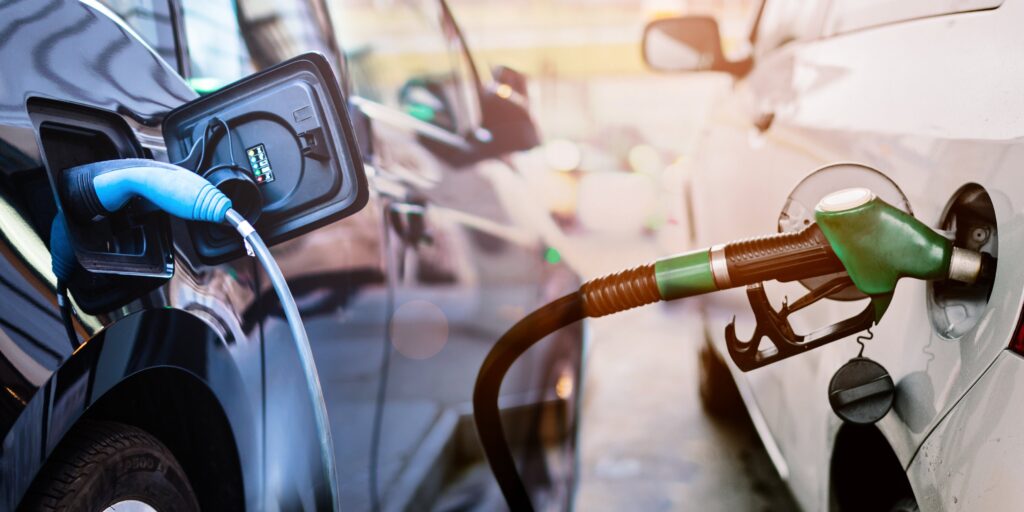
One of the most notable ways in which climate policies are impacting the American automobile industry is through the accelerated push toward electric vehicles (EVs). EVs have emerged as the centerpiece of the automotive industry’s response to climate change. As part of the effort to reduce carbon emissions from the transportation sector, policymakers are promoting the widespread adoption of electric cars, trucks, and buses.
Several climate policies at the federal and state levels are directly supporting the transition to EVs. Under President Biden’s administration, the U.S. has set a target to have 50% of all new vehicle sales be electric by 2030. This ambitious goal is supported by a variety of measures, including incentives and subsidies for EV consumers, as well as investments in charging infrastructure. The federal government has reintroduced tax credits for electric vehicles, which make EVs more affordable for consumers. Additionally, the Infrastructure Investment and Jobs Act, signed into law in 2021, includes funding for the creation of 500,000 new EV charging stations across the country.
At the state level, California has been particularly proactive in promoting EVs. The state has announced plans to ban the sale of new gas-powered vehicles by 2035, setting a bold example for the rest of the nation. California’s Zero-Emission Vehicle (ZEV) mandate requires automakers to produce a certain percentage of EVs, which has led to increased investment in electric vehicle production by car manufacturers.
The demand for EVs is growing, and climate policies are encouraging automakers to shift their production away from internal combustion engine (ICE) vehicles toward electric vehicles. In response, American automakers, including General Motors (GM), Ford, and Rivian, are heavily investing in electric vehicle development. GM, for example, has pledged to become a fully electric company by 2035, and Ford has committed to investing $22 billion in electric vehicles by 2025.
Fuel Efficiency Standards and Vehicle Design
Another area where climate policies are having a major impact on the American automobile industry is fuel efficiency standards. The stricter fuel economy regulations, reintroduced under the Biden administration, require automakers to significantly improve the fuel efficiency of their vehicle fleets. By mandating higher miles per gallon (MPG) standards, these policies aim to reduce the carbon emissions associated with gasoline and diesel-powered vehicles.
For automakers, these policies have significant design implications. The shift toward more fuel-efficient vehicles often involves using lighter materials, improving aerodynamics, and enhancing powertrain efficiency. Automakers are also investing in hybrid technologies and more efficient internal combustion engines (ICEs) as a way to meet these stringent fuel economy targets.
The introduction of electric and hydrogen-powered vehicles also plays a role in meeting these standards. While EVs do not produce tailpipe emissions, they still count toward automakers’ fuel efficiency targets, which is why companies like Ford and GM are aggressively pursuing the development of all-electric fleets. The push for EVs also aligns with consumers’ increasing interest in sustainability, helping automakers improve their environmental credentials and meet the demands of eco-conscious buyers.
Additionally, stricter emissions standards are prompting automakers to innovate in areas such as battery technology and lightweight materials. Advances in solid-state batteries, which promise longer driving ranges and faster charging times, are becoming more critical in the EV market. Research into alternative materials, such as carbon fiber and aluminum, is also gaining traction to reduce vehicle weight and improve overall fuel efficiency.
The Economic Impact on Automakers and Workers
Climate policies, while promoting sustainability and innovation, are also creating significant economic challenges for automakers. Shifting production from internal combustion engine vehicles to electric vehicles requires substantial investment in new manufacturing facilities, supply chains, and workforce training. Automakers are also facing the cost of developing new technologies, such as batteries and advanced electronics, as part of the transition to EVs.
One of the key challenges for automakers is the upfront investment required for the development of electric vehicles. The cost of developing EV platforms, battery systems, and charging infrastructure is high, and these investments have to be balanced with the demand for profitability. However, automakers that are proactive in investing in electric vehicles stand to benefit from early market share leadership, while those who fail to adapt may struggle to remain competitive in the coming years.
The shift toward electric vehicles also has significant implications for the automotive workforce. The transition to EVs is expected to impact jobs in traditional manufacturing, particularly for workers involved in the production of gasoline-powered engines, exhaust systems, and other components that will become less relevant as the industry moves toward electrification. However, this shift is also creating new job opportunities in areas like battery manufacturing, electric vehicle assembly, and the development of charging infrastructure.
To address these workforce challenges, both the government and automakers are investing in workforce development programs. For example, the Biden administration’s American Jobs Plan includes investments in training programs for workers transitioning to the EV industry. Likewise, automakers are partnering with educational institutions to develop training programs focused on electric vehicle technology, ensuring that the American workforce is equipped to meet the demands of the new green economy.
The Environmental Benefits of Climate Policies
The transition to electric vehicles and more fuel-efficient cars, driven by climate policies, promises significant environmental benefits. The transportation sector is one of the largest sources of greenhouse gas emissions in the U.S., accounting for nearly 30% of total emissions. By shifting from gasoline and diesel-powered vehicles to electric and hydrogen vehicles, the U.S. can significantly reduce its carbon footprint.
Electric vehicles, when charged using renewable energy sources such as wind and solar, can be virtually carbon-free. The widespread adoption of EVs could help the U.S. reduce its reliance on fossil fuels and combat climate change. Moreover, as grid infrastructure becomes greener, the carbon intensity of charging EVs will continue to decrease.
Additionally, stricter fuel efficiency standards for gasoline-powered vehicles contribute to reducing tailpipe emissions, improving air quality, and reducing dependence on foreign oil. Policies that promote more sustainable vehicle designs, such as the use of lighter materials and renewable energy in manufacturing, also contribute to the overall environmental benefits of these changes.
Challenges and Criticisms of Climate Policies
Despite the numerous benefits, climate policies targeting the automobile industry are not without their challenges and criticisms. One of the main concerns is the cost to consumers. While EVs offer long-term savings in fuel and maintenance, their higher initial purchase price remains a barrier for many buyers, particularly in lower-income communities. Federal tax credits for EVs help to reduce this barrier, but some critics argue that more targeted programs are needed to make EVs accessible to a broader range of consumers.
Additionally, the shift to electric vehicles raises concerns about the supply chain for critical materials such as lithium, cobalt, and nickel, which are essential for EV batteries. The mining of these materials often has environmental and human rights implications, and there is growing pressure to ensure that these supply chains are sustainable and ethical.
Automakers and policymakers also face the challenge of building the necessary infrastructure to support the widespread adoption of electric vehicles. While investments in charging stations are increasing, there are still concerns about the availability and accessibility of charging infrastructure, especially in rural areas.
Conclusion: A Greener, More Sustainable Future for the Automobile Industry
The impact of climate policies on the American automobile industry is profound, as these policies are driving a fundamental shift toward cleaner, more sustainable transportation. By promoting electric vehicles, improving fuel efficiency, and fostering innovation